
Introducing Your Pet to Your Newborn: A Guide for Happy Families
Introducing Your Pet to Your Newborn, having a pet and welcoming a new baby into your home can be an incredibly rewarding experience. However, it’s important to approach the introduction with careful planning and patience. Ensuring a smooth transition for both your beloved pet and your precious bundle of joy requires preparation and understanding. In this comprehensive guide, we’ll provide you with expert tips and practical advice on how to introduce your pet to your newborn, creating a harmonious and happy environment for everyone involved.
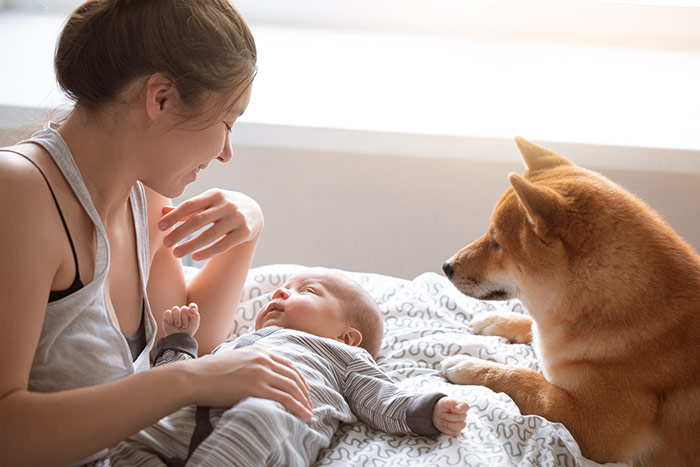
Section 1: Preparing Your Pet for the Arrival of Your Newborn
Before your baby arrives, it’s crucial to take some essential steps to ensure your pet’s health and well-being. Let’s dive into the first steps you should take in preparing your pet for the new addition to your family.
Visit the Vet for a Check-up
A visit to the vet is essential to ensure your pet is in good health and up to date on all vaccinations. If your pet hasn’t been spayed or neutered, now is an ideal time to consider it. This can help reduce any potential behavioural issues and ensure a safer environment for your baby.
Training Your Pet
Proper training is key to a successful introduction between your pet and your newborn. If your pet isn’t already crate trained, begin the process early on. Additionally, it’s crucial to train your dog not to jump on small children or beg for food. Positive reinforcement techniques can help eliminate any undesirable behaviour. For more complicated cases or concerns about aggressive behaviour, it may be wise to seek the assistance of a professional trainer.
Familiarise Your Pet with Children
To help your pet adjust to the presence of small children, consider introducing them to friends’ kids in controlled environments. This exposure will help them become more comfortable and learn how to interact appropriately with little ones. It’s especially important for cats to acclimate to the sounds associated with babies, as their sensitive hearing can be overwhelmed by the unfamiliar noise. You can find baby sounds playlists online to gradually introduce them to these new auditory experiences.
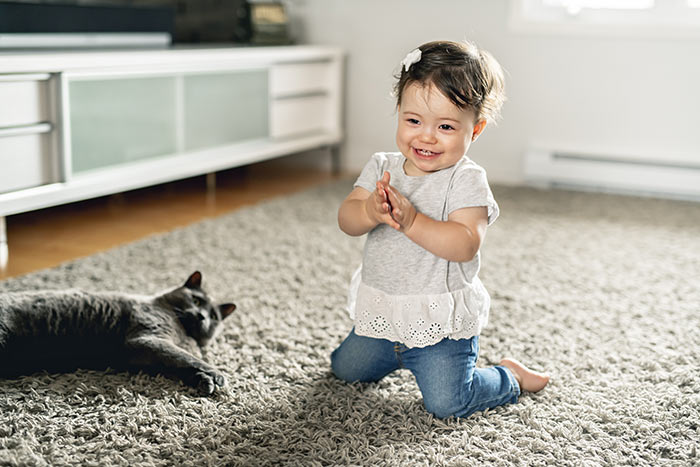
Section 2: Preparing Your Home for a Baby and a Pet
As your family grows, it’s crucial to create a safe and harmonious environment for both your baby and your pet. Here are some steps you can take to pet-proof and childproof your home.
Help Your Pet Adjust to Household Changes
Some pets may become anxious when there are changes in their environment, such as moving furniture or introducing new baby furniture. Give your pet time to sniff and investigate these changes, allowing them to familiarise themselves with the new additions. This is also an opportune time to train them to stay away from designated baby-only zones, such as the crib or changing table.
Childproof Your Home
Creating a safe space for your baby is essential, and this includes protecting them from potential hazards posed by your pets. Move litter boxes to a safer location and consider installing a pet door to keep them separate from certain areas. Swapping out regular doors for Dutch doors can also provide a convenient barrier while allowing visual interaction. Additionally, ensure that pet supplies and toys are stored securely to prevent your baby from accessing them and potentially putting them in their mouth. Familiarise yourself with foods that are toxic to pets, as some items may be nutritious for humans but harmful to animals.
Section 3: Introducing Your Pet to Your Newborn
The moment has arrived to introduce your pet to your newborn. This is an important step in establishing a positive relationship between them. To ensure a successful introduction, follow these guidelines.
Take It Slow
Introducing Your Pet to Your Newborn, it’s crucial to take things slow. Avoid forcing the interaction and allow both your pet and your baby to acclimate gradually. Keep your baby in your arms and have another person hold your pet on a leash, even if it’s a cat. This precautionary measure ensures everyone’s safety. If you have multiple pets, introduce them to your baby one at a time to prevent overwhelming them. Limit the duration of initial contact to prevent overstimulation and give your pets ample time to process the new addition to the family.
Maintain Your Pet’s Routine
While caring for a newborn can disrupt your daily routine, it’s essential to maintain your pet’s feeding and play schedule as consistently as possible. Following their established routine helps provide a sense of security for your pet during this transition period. Additionally, it allows you to continue spending quality time with your furry friend, ensuring they don’t feel neglected.
Establish Separate Play Areas
To avoid confusion and potential conflicts, designate separate play areas for your baby and your pet. Keep their toys separate and ensure there is no overlap between baby toys and pet toys. This distinction helps establish boundaries and prevents any accidental sharing of toys that may not be suitable for both your baby and your pet.
Section 4: Signs Your Pet May Be Anxious or Overwhelmed
It’s essential to be attentive to your pet’s behaviour during the introduction process. Recognising signs of anxiety or overwhelm allows you to address any issues promptly. Here are some common signs that your pet may be experiencing discomfort:
Dogs
- Ears laid back or straight forward
- Cowering or appearing very tense
- Shaking or displaying unusual panting and pacing
- Growling or showing teeth
- Sneezing or yawning excessively, which can indicate anxiety or concern
Cats
- Ears pinned back
- Vocalising more than usual
- Hiding or seeking seclusion
- Urinating or defecating outside the litter box
If you notice any of these signs, it’s important to provide your pet with a break and separate them from your baby immediately. By observing and addressing these behaviours early on, you can work towards resolving any issues before they escalate. If you are concerned about your pet’s behaviour, consider seeking guidance from a pet behaviourist or trainer who can provide personalised advice.

Section 5: Creating a Harmonious Environment for Your Pet and Your Newborn
Introducing Your Pet to Your Newborn, to foster a positive and harmonious relationship between your pet and your newborn, there are a few additional factors to consider. These tips will help ensure a smooth and joyful transition for everyone involved.
Spend Quality Time with Your Pet
While caring for a newborn requires a significant amount of time and attention, it’s crucial to dedicate moments for quality interactions with your pet. Set aside time each day to engage in activities that your pet enjoys, such as walks or cuddling on the couch. This one-on-one time helps prevent feelings of neglect and reinforces the bond between you and your furry companion.
Stay Calm and Positive
Pets are highly attuned to your emotions and body language. If you feel anxious or stressed during the initial meetings between your pet and your baby, your pet may pick up on those cues and become anxious themselves. It’s important to remain calm and positive during these interactions, as your pet is more likely to mirror your behaviour. Remember that it may take time for everyone to adjust, and patience is key.
Teach Your Children to Interact Safely
Educating your children on how to interact safely and respectfully with pets is essential for their well-being and the well-being of your furry friends. Teach them to be gentle and avoid tugging on tails, ears, or engaging in any rough play. As your children grow older, guide them on appropriate feeding practices, emphasising the importance of not sharing human food with pets.
Capture Precious Moments
As your baby and pet grow closer, there will be countless heartwarming moments worth preserving. Schedule a photoshoot to capture the bond between your baby and your pet. You can hire a professional photographer or enlist the help of a friend to capture these precious memories. Consider coordinating their outfits for added cuteness and create lasting mementos of their special connection.
Conclusion
Introducing your pet to your newborn is an exciting and special time in your family’s journey. By following these expert tips and guidelines, you can create a harmonious and loving environment for both your baby and your pet. Remember to plan ahead, be patient, and prioritise the safety and well-being of all family members. With careful preparation and understanding, you can foster a lifelong bond between your baby and your pet, making cherished memories for years to come.
For more helpful tips on pet care and creating a happy home, visit the Animal Behaviour And Training web site, where you’ll find valuable resources on keeping your pets safe during the holidays, cleaning your home with pets, and more.
At our studio we occasionally photograph dogs with their families, contact us for more information.